Wednesday 19 / August / 2026
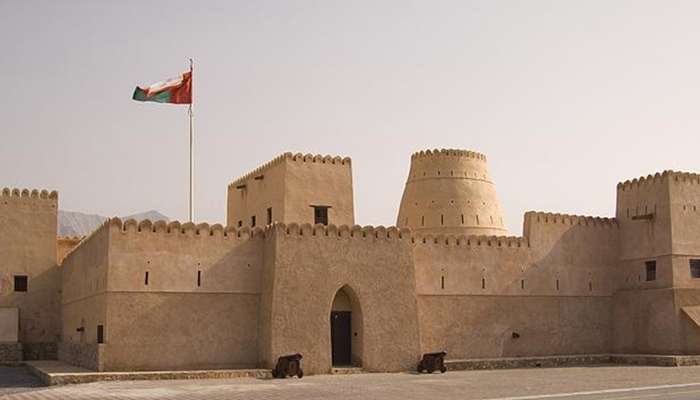
Khasab: Khasab Castle represents one of the most prominent historical and heritage landmarks in Musandam Governorate and a living witness to the ancientness of its history, its strategic standing, and the transformations and events the region experienced across different historical eras, alongside what it embodies of cultural identity features and authentic Omani heritage.
Through its architectural details and multiple historical roles, the castle reflects a side of the governorate's history and the local community's connection to its heritage, customs, and traditions. Over various stages, it also contributed to fulfilling defensive, administrative, and social roles before transforming into one of the most prominent cultural and tourist landmarks documenting Musandam's history and heritage.
The standing of Khasab Castle as a historical, cultural, and tourist destination is highlighted by the turnout it receives from visitors.
Statistics from the Ministry of Heritage and Tourism, according to the latest recorded data for 2025, indicated that the number of its visitors reached approximately 6,305 visitors until the end of October 2025, prior to its temporary closure to begin restoration and development works aimed at preserving its historical value and enhancing its museum facilities, with plans to reopen it during the first half of 2027, thereby enhancing its role in preserving heritage, introducing Musandam's history and cultural heritage, and consolidating its identity for future generations.
Naufal Mohammed Al Kumzari, Assistant Director of the Heritage and Tourism Department in Musandam Governorate, explained that Khasab Castle is considered one of the most important historical witnesses in the governorate due to its association with the region's history and its strategic role at the entrance to the Strait of Hormuz, noting that the castle underwent multiple historical stages that reflected the importance of Musandam and its location in Omani history.
He stressed that Khasab Castle is a historical landmark and is considered one of the most prominent cultural symbols embodying the identity of Musandam Governorate, with its associated maritime and commercial history and traditional social life, holding a special place in the memory of the local community as a witness to the various historical stages through which the governorate passed.
He pointed out that the castle received attention as part of efforts to preserve national heritage, having been restored in the early 1990s, and subsequently restored and developed again in 2006, converting it into an integrated museum containing a number of heritage and cultural components of Musandam Governorate, including traditional collectibles, handicrafts, maritime tools, and folk costumes that document aspects of the residents' lives across generations, affirming that this role contributed to enhancing the castle’s standing as a cultural and tourist center reflecting the governorate's authenticity and heritage.
The Assistant Director of the Heritage and Tourism Department in Musandam Governorate said that the castle houses a museum displaying a side of the cultural and heritage legacy of Musandam Governorate.
It allows visitors to learn about the governorate's history, customs, traditions, and maritime and manual crafts, making it an attractive destination for tourists, researchers, and those interested in Omani heritage, in addition to its location in the city of Khasab and its proximity to several natural tourist assets, which enhances its role in supporting cultural tourism, introducing the civilizational heritage of the governorate, consolidating national identity, and preserving historical legacy for future generations.
Regarding the most prominent architectural and historical elements characterizing the castle, Naufal Al Kumzari explained that Khasab Castle is distinguished by its fortified walls and defensive towers that reflect the historical importance of the region, alongside the central tower, which is considered one of its most prominent architectural elements.
He pointed out that the castle contains internally a number of heritage exhibits documenting the life of Musandam's residents, their customs, and their traditions across generations, alongside unique Omani architectural models, most notably Bait Al Qufl (the lock house) and Al Areesh Al Mualaq (the suspended shade house), which reflect the traditional construction methods that characterized the governorate.
He added that the castle carries within its walls multiple historical stories linked to the stages through which Musandam passed, making it a living witness to the region's history and ancient heritage, and giving visitors an opportunity to learn about aspects of life lived by the governorate's inhabitants across different historical eras.
Naufal Al Kumzari affirmed that Khasab Castle received attention from the Ministry of Heritage and Tourism through the execution of periodic restoration and maintenance works aimed at preserving its authentic architectural character and ensuring its sustainability, noting that among the most prominent rehabilitation and development projects witnessed by the castle was the 2007 project, which included restoring buildings, addressing moisture, and updating several facilities.
He emphasized that the new restoration and rehabilitation works being witnessed by the castle come as part of ongoing efforts to preserve this historical landmark and maintain its architectural and heritage value, ensuring it remains a witness to Musandam's history and civilizational legacy for future generations.
He added that converting the castle into a permanent museum contributed to documenting the history and heritage of Musandam Governorate through displaying archaeological collectibles, traditional crafts, customs, and folk arts, alongside establishing models embodying aspects of traditional life in the governorate.
He pointed to the possibility of utilizing Khasab Castle to a greater extent in enhancing cultural tourism and introducing Omani heritage in Musandam Governorate by organizing heritage and cultural events that reflect the governorate's history, customs, and traditions, including folk performances, handicraft exhibitions, and heritage markets.
He added that holding exhibitions, seminars, and cultural activities at the castle would contribute to highlighting Omani identity, introducing the rich cultural heritage of Musandam Governorate, and enhancing the castle’s standing as a prominent tourist and cultural destination.
He stated that Khasab Castle embodies an important aspect of Musandam Governorate's identity through the architectural models, heritage collectibles, maritime tools, traditional crafts, costumes, and folk arts it houses, which reflect the nature of life lived by the governorate's residents across generations.
Naufal Mohammed Al Kumzari explained that preserving Khasab Castle and developing its cultural role is not limited to preserving a historical building, but rather represents an investment in national memory and the protection of cultural identity, ensuring the continued transmission of this legacy to future generations in a living and sustainable manner.




