Sunday 26 / July / 2026
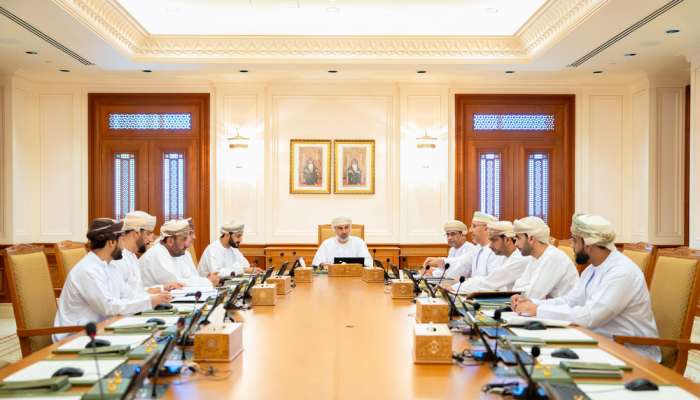
Muscat: The Bureau of the Shura Council, during its meeting on Monday, praised the institutional and community-driven national efforts undertaken by various state entities in addressing the recent climatic conditions that affected the Sultanate of Oman.
The Bureau noted that these efforts reflected strong national cohesion, alongside effective media and public awareness initiatives that contributed to mitigating the impact of the weather situation.
It also expressed prayers for the continued safety and well-being of the nation and its people.
During the meeting, the Bureau discussed a request for a briefing on the recurrence of damages caused by heavy rainfall.
The request underscored the importance of reviewing existing urban planning, particularly developments located within wadi channels, in order to reduce human and material risks associated with recurring weather events in Oman.
The Bureau also reviewed a separate request for a briefing regarding the postponement of bank loan installments for individuals affected by the recent climatic conditions.
The meeting formed part of the Bureau’s 11th regular session for the third annual sitting of the tenth term (2023–2027), chaired by Khalid bin Hilal Al Maawali, Chairman of the Council, in the presence of Their Excellencies members of the Bureau.
On another front, the Bureau reviewed the agenda for the Council’s upcoming regular sessions scheduled for April.
It also examined reports on the activities of the Council’s permanent committees, including key national issues, draft laws under review, and ongoing oversight efforts.
Council of Ministers
The Bureau further reviewed the response of the Council of Ministers regarding challenges facing practitioners in the artisanal fishing sector.
The response included approval of initiatives aimed at establishing specialised companies to enhance citizens’ participation in the fisheries value chain, alongside continued efforts to conduct consultancy studies and engage local communities.
Additionally, the Bureau examined a number of ministerial responses to oversight tools submitted by Council members.
These included a response from the Minister of Housing and Urban Planning concerning the allocation of residential land under usufruct contracts to beneficiaries of bank loans, and a response from the Minister of Education addressing mechanisms for managing infection outbreaks in schools.
The latter highlighted coordination with the Ministry of Health in developing health policies and awareness guidelines, as well as implementing preventive measures and ensuring readiness to activate distance learning when necessary across governorates.
The Bureau also reviewed several reports from permanent committees, including the Food and Water Security Committee’s report on “Marketing of Agricultural Products,” which proposed recommendations to enhance agricultural marketing systems and strengthen food security in Oman. Additional reports were presented by the Health and Social Committee.
Within the framework of parliamentary oversight, the Bureau reviewed a number of questions submitted by members, including an inquiry to the Minister of Labour regarding sectors covered under Omanisation in service contracts, particularly those not explicitly defined.
It also examined several requests for briefings related to employment standards in government projects, road safety measures, identification of high-risk locations, and proposed short- and long-term solutions to reduce traffic accidents.
Further discussions addressed infrastructure projects and food support initiatives.
Under the agenda item concerning citizens’ correspondence, the Bureau reviewed a letter submitted by graduates specializing in Cycle One education.
The letter included an appeal to open recruitment opportunities, clarify replacement plans and actual workforce needs, and highlighted the social and professional implications of the issue on the stability of the education sector.