Friday 09 / October / 2026
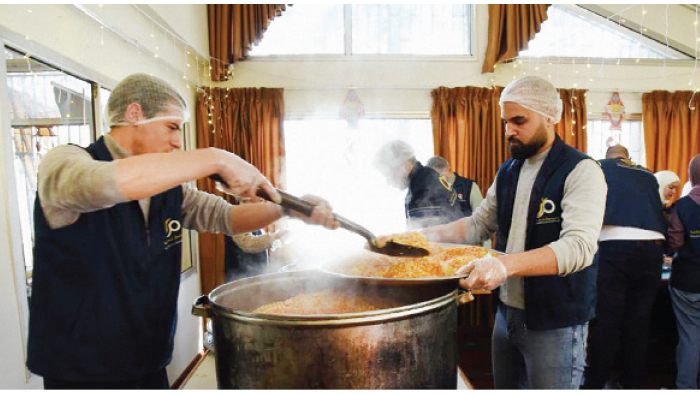
Muscat: Doctors in Muscat have begun treating patients who over-indulged during Iftar and are urging residents not to gorge after long hours of fasting.
While Ramadan often leads to increased food consumption, medical professionals warn that overeating — particularly heavy, oily foods — can result in serious health complications.
Eating excessively at Iftar, especially rich and fatty meals, may cause gastrointestinal problems, abdominal pain, bloating, acidity and other digestive disorders.
“In some places, Iftar becomes like a party, and people struggle to control their hunger,” said Dr Dilip Singhvi, Specialist in Internal Medicine and Diabetes at Burjeel Hospital in Oman, adding that he treated several patients during Ramadan due to overeating.
Doctors explained that the body undergoes sudden dietary and timing changes during Ramadan, making it essential to eat moderately.
“The human body needs time to adjust because meal timings change abruptly,” he said.
Another physician echoed the advice, stressing that lighter meals are easier on the digestive system, which adapts to a new routine during the holy month.
“When breaking the fast, start with two or three dates and a glass of water, along with soup. These are ideal foods,” he said.
Doctors advised avoiding oily and fatty dishes such as samboosa, biryani and large portions of meat at Iftar. They also recommended drinking plenty of water throughout the night, particularly during the summer months.
For Suhoor, which is eaten 45 minutes to an hour before dawn, doctors recommend light meals including vegetables, chicken or fish in small portions, along with adequate water intake.
With temperatures in parts of Oman already crossing 30 to 35 degrees Celsius, doctors stressed the importance of hydration during the holy month.
“When you sweat, the body loses sodium and chlorides. These must be replaced to prevent electrolyte imbalance, which can affect organ function,” one doctor said. “In children and adults, dehydration may lead to confusion and abnormal behaviour.”
While some level of dehydration may be unavoidable during fasting, doctors warned against allowing it to become severe.
“At night, nourish your body and prepare for the next day. Avoid beverages that increase urine output, such as coffee, tea and soft drinks. Eat fruits and vegetables with high water content, stay indoors when possible and avoid direct exposure to the sun,” he advised, urging parents to ensure children do not remain in the heat for extended periods.