Saturday 31 / January / 2026
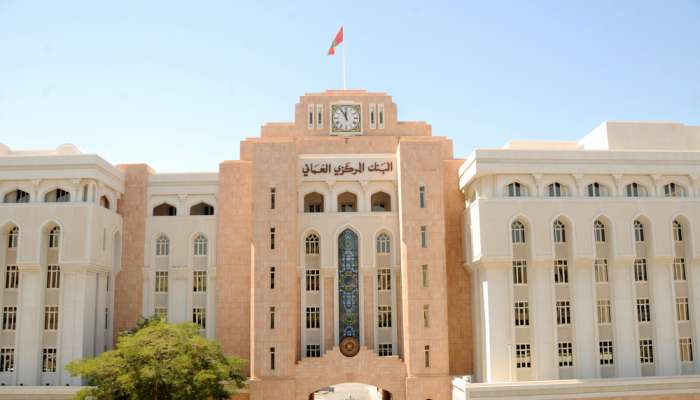
Muscat: Oman’s economic activity remained resilient amid a challenging global environment, according to the Sultanate’s central bank’s its latest Macroeconomic Stability Report 2025 released on Thursday.
Real gross domestic product (GDP) growth reached 1.6 percent in 2024 and further accelerated to 2.3 percent year-on-year in the first half of 2025. This reflects moderate hydrocarbon output alongside sustained expansion in non-hydrocarbon sectors. “Growth was driven mainly by services and manufacturing, supported by ongoing diversification efforts and increased private sector investment,” the Central Bank of Oman (CBO) Macroeconomic Stability Report 2025 said.
The report further indicated that fiscal developments in Oman continued to support macroeconomic stability. Fiscal consolidation efforts—underpinned by expenditure rationalisation, non-oil revenue mobilisation, and proactive public debt management—contributed to an improved fiscal position. “Together with contained inflation and a stable external position, these developments helped reduce macroeconomic and macro-financial vulnerabilities,” the report further added.
CBO’s Macroeconomic Stability Report 2025 further indicated that monetary and financial conditions remained broadly accommodative while preserving price and exchange rate stability. The exchange rate peg of the Omani Rial to the US dollar continued to provide a credible nominal anchor. The banking sector remained sound, supported by adequate capital and liquidity buffers, resilient asset quality, and a robust regulatory and supervisory framework. “Liquidity conditions in the financial system were comfortable, facilitating continued credit intermediation to the productive sectors of the economy,” the report further added.
The report is structured around an integrated assessment of global developments and oil market dynamics; domestic economic conditions; monetary sector developments; fiscal balance and fiscal performance; external buffers and the sustainability of the exchange rate peg; price stability and inflation risks; and sovereign ratings and perceived country risk. Together, these pillars provide a coherent macro-financial framework for evaluating economic conditions, identifying vulnerabilities, and assessing their implications for financial stability.
Looking ahead, the report assesses the near- to medium-term outlook as favourable, supported by ongoing structural reforms, strategic investment, and an improving business environment. Continued progress in economic diversification, human capital development, and productivity-enhancing reforms will be essential to sustaining growth and strengthening resilience to external shocks.
Overall, the Macroeconomic Stability Report 2025 complements other flagship reports produced by CBO and serves as an effective information tool aims to monitor developments, assess risks, and evaluate the implications of macroeconomic trends for financial stability.
The CBO’s new report is a periodic flagship publication providing an analytical assessment of recent macroeconomic developments and their spillovers to the financial system. It presents a forward-looking evaluation of economic and financial conditions, enhancing transparency and providing a reference for policymakers, market participants, and researchers, in line with Oman Vision 2040.