Tuesday 13 / October / 2026
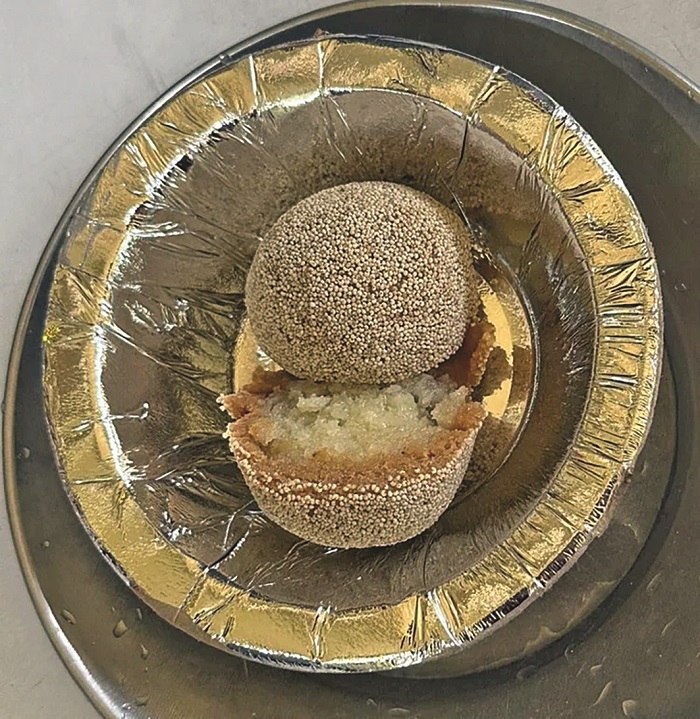
MUSCAT: Planning to bring sweets or traditional delicacies from abroad for friends and family? Authorities are urging travellers to think twice and check the ingredients before packing them.
The reminder follows the detention of an Indian expatriate from Bihar at Abu Dhabi International Airport on July 23 after he was allegedly found carrying traditional Indian sweets containing poppy seeds.
Poppy seed sweets, known in different parts of India as khus khus, posta dana or gasagase, are a popular part of Indian cuisine.
The seeds are widely used in desserts, curries and halwa and are legally sold across India. “White poppy seeds add a rich, nutty flavour and creamy texture to festive desserts,” said Ravi Kumar, an Indian expatriate in Muscat.
However, in Oman and several other Gulf Cooperation Council (GCC) countries, poppy seeds are prohibited or strictly regulated because of their association with the opium poppy.
According to the Royal Oman Police, poppy seeds fall under the list of prohibited narcotic substances, and importing or exporting such items can attract legal penalties.
The expatriate, identified as Satish, was travelling from Bihar to Abu Dhabi via Ahmedabad and was reportedly carrying a box of raskadam, a popular Indian sweet, to share with colleagues after his vacation—a common tradition among expatriate workers returning from India.
Following his detention, Satish’s family appealed to the Embassy of India in the UAE and India’s Ministry of External Affairs to intervene and facilitate his release.
His employer has also reportedly approached the relevant authorities.
The incident serves as a timely reminder for expatriates and other travellers to carefully review customs regulations before carrying food items across international borders. “Many ingredients that are perfectly legal and commonly used in India may be restricted or banned in destination countries. Carrying such items—even unknowingly—can lead to confiscation, detention, fines or legal proceedings,” said a grocery shop owner in Ruwi.
With millions of passengers travelling between India and the Gulf every year, greater awareness of local import regulations can help prevent unnecessary legal complications.
The warning comes as Oman Customs has also intensified public awareness on prohibited imports and exports.
In a recent advisory, the authority reminded travellers that certain goods are banned under the GCC Unified Customs Law and relevant national legislation.
The prohibited list includes explosives, narcotic drugs and psychotropic substances, all types of weapons, military-style clothing and equipment, toy guns resembling real firearms, concealed weapons disguised as everyday objects, natural ivory, electric stun devices, rifle scopes and night-vision equipment.
Oman Customs said the restrictions are aimed at protecting public safety, strengthening national security and ensuring compliance with customs laws.
As summer travel continues and passenger traffic rises, authorities are urging travellers to inspect their luggage carefully and verify that any food items or personal belongings they carry comply with the laws of their destination country.
A few minutes spent checking customs regulations before departure, officials say, can help travellers avoid confiscation of goods, fines, detention and unnecessary legal complications.